
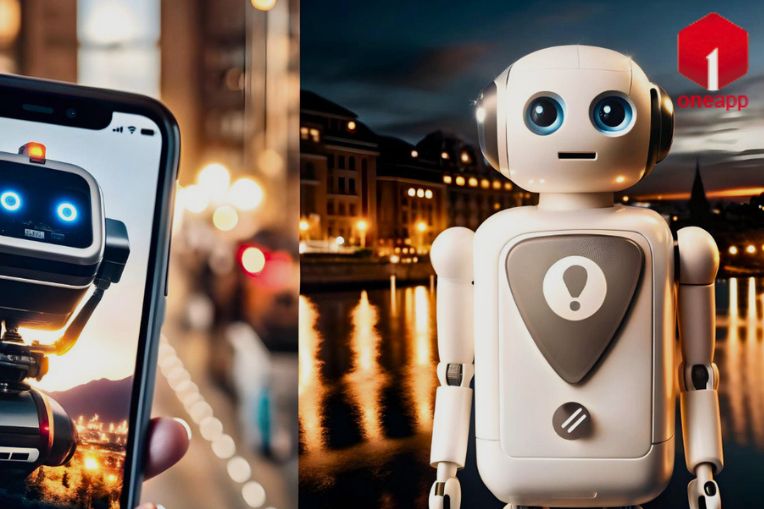
The rise of AI agents replacing apps is redefining how businesses and individuals interact with technology. In the future of AI agents 2026, users no longer rely on dozens of separate applications—instead, intelligent AI agents handle tasks seamlessly through a single interface.
The Shift from Apps to AI Agents
Traditional apps require users to manually switch between tools for communication, scheduling, analytics, and more. However, AI agents consolidate these functions into one intelligent system.
According to a report by McKinsey, over 70% of organizations are expected to adopt AI-driven automation by 2026.
Source: https://www.mckinsey.com/
This shift is a key driver behind AI agents replacing apps, as users prefer efficiency and automation over fragmented workflows.
What Are AI Agents?
AI agents are intelligent systems capable of performing tasks autonomously by understanding context, learning from data, and interacting with multiple platforms.
Instead of opening separate apps, users can simply instruct an AI agent to:
- Schedule meetings
- Send emails
- Analyze data
- Generate reports
This evolution defines the future of AI agents 2026, where software becomes proactive rather than reactive.
Why AI Agents Are Replacing Traditional Apps
1. Unified User Experience
Instead of juggling multiple apps, AI agents provide a centralized interface.
Gartner predicts that by 2026, 30% of enterprises will use AI agents as their primary interface for business applications.
Source: https://www.gartner.com/
This trend strongly supports AI agents replacing apps across industries.
2. Automation and Efficiency
AI agents eliminate repetitive tasks by automating workflows.
A Deloitte study highlights that AI automation can increase productivity by up to 40%.
Source: https://www2.deloitte.com/
This efficiency boost is a major factor in the future of AI agents 2026.
3. Context-Aware Intelligence
Unlike traditional apps, AI agents understand user intent and context.
For example:
- Instead of opening a CRM app, you ask your AI agent for customer insights
- Instead of using analytics tools, the agent provides instant reports
This capability accelerates AI agents replacing apps in business environments.
4. Cost Reduction for Businesses
Maintaining multiple apps is expensive. AI agents reduce:
- Software licensing costs
- Integration complexity
- IT maintenance
This financial advantage is fueling the future of AI agents 2026.
Real-World Use Cases
1. Workplace Productivity
AI agents manage emails, meetings, and tasks in one place.
2. Customer Support
AI agents replace multiple support tools with a single intelligent system.
3. Data Analysis
Instead of dashboards, AI agents deliver insights conversationally.
According to PwC, AI could contribute up to $15.7 trillion to the global economy by 2030.
Source: https://www.pwc.com/
This reinforces the momentum of AI agents replacing apps globally.
Challenges to Consider
While the future of AI agents 2026 is promising, there are challenges:
- Data privacy concerns
- Dependence on AI systems
- Need for high-quality training data
However, ongoing advancements are addressing these issues rapidly.
What This Means for Businesses
Businesses must adapt quickly to stay competitive. This includes:
- Investing in AI-driven platforms
- Reducing reliance on traditional apps
- Training teams to work with AI agents
Companies that embrace AI agents replacing apps early will gain a significant competitive edge.
Conclusion
The transformation driven by AI agents replacing apps is not just a trend—it’s a fundamental shift in how technology is used. In the future of AI agents 2026, intelligent systems will replace traditional applications, making workflows faster, smarter, and more efficient.
Businesses and individuals who adapt to this change will be better positioned to thrive in an AI-first world.